







What Will Make a Website Successful for Startups in 2025?
A successful startup website is one that puts the user first, leverages the latest SEO strategies, embraces AI, and reflects ethical values. As 2025 is fast approaching, and for startups, business owners, an effective website will remain a crucial tool for building brand awareness, engaging customers, and driving sales. However, the digital landscape is rapidly evolving, and to stay ahead of the competition, your website must embrace the latest trends and technologies.
So, what will make a website successful in 2025? Let’s dive into some key elements and include real-world examples to illustrate how successful brands are already implementing these strategies.
User Experience (UX) Will Be King
In 2025, user experience will be the foundation of every successful startup website. Visitors will expect seamless, intuitive navigation and fast-loading pages. Poor UX can result in high bounce rates, lost leads, and frustrated users.
Real-World Example: Airbnb has become a leader in UX by simplifying its design and navigation. Its website is clutter-free, mobile-responsive, and personalizes the user experience based on browsing behaviour. For instance, returning users are greeted with relevant, location-based options based on their previous searches or bookings. This approach has allowed Airbnb to significantly reduce bounce rates and increase customer retention.
To ensure success, startups should:
- Optimize for page speed and mobile-first design.
- Implement clear, intuitive menus and navigation pathways.
- Leverage AI-driven personalization to customize the user journey based on preferences and behaviors.
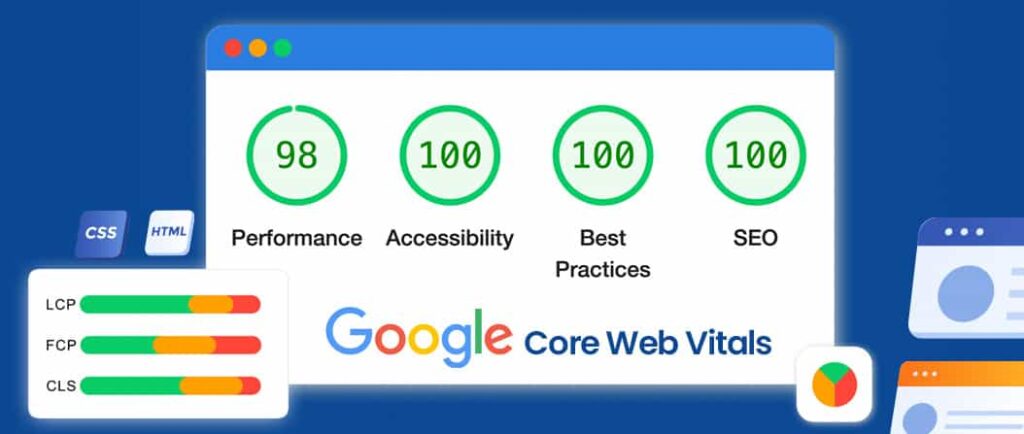
Google’s Core Web Vitals will continue to prioritize user experience in its ranking algorithms, meaning websites that prioritize UX will have a clear SEO advantage.
Mobile Optimization is Non-Negotiable
By 2025, the majority of users will be accessing websites primarily through their mobile devices. A mobile-optimized website is no longer optional—it’s essential. Mobile-first indexing, which has already become standard, will evolve further, rewarding websites that provide an optimized experience on smartphones and tablets.
Real-World Example: Standard-Bills, the popular fintech brand, has fully embraced mobile optimization. Their website is designed to be simple and visually striking on smaller screens, featuring swipe-friendly, fast loading times, and a user-friendly mobile checkout process. As a result, Standard-Bills has significantly boosted its mobile conversion rate.
To stay competitive:
- Focus on responsive design that adjusts to different screen sizes.
- Ensure finger-friendly buttons and quick load times.
- Use progressive web apps (PWAs) for faster, app-like experiences.
A smooth mobile experience will directly impact conversions, especially for e-commerce or service-based startups.
SEO Will Evolve – But Remain Critical
Search Engine Optimization (SEO) will continue to play a pivotal role in website success, but the rules of the game are changing. In 2025, successful SEO strategies will focus on:
- Voice search optimization: More users will be searching via voice, so targeting natural, conversational language in your content is a must.
- Semantic search: Google’s AI algorithms are getting better at understanding context and intent, so your content must offer in-depth answers to specific user queries.
- Featured snippets and zero-click searches: Aim to answer common questions in a way that puts your website in the coveted featured snippet position.
Real-World Example: HubSpot has mastered SEO by focusing on long-tail keywords and creating content that addresses user intent. They produce in-depth blog posts, guides, and FAQs that rank in Google’s featured snippets, resulting in high visibility and driving organic traffic without users needing to click through to other sites.
Higher search rankings directly correlate with more visibility, traffic, and potential customers for your startup.
Interactive and Engaging Content
Static websites are a thing of the past. Startups need to captivate users with interactive, engaging content that keeps them on the page longer. Interactive elements such as quizzes, polls, and infographics will dominate the startup website landscape in 2025.
Real-World Example: BuzzFeed is a pioneer of interactive content, offering users a range of quizzes, polls, and dynamic content that keeps them engaged for longer periods. This has helped BuzzFeed increase user time on site and shares across social media.
Some ideas to consider:
- Videos: Video content is incredibly powerful for storytelling and demonstrating products or services.
- Gamification: Turn learning about your brand into an enjoyable experience through interactive games or challenges.
- Chatbots and AI assistants: Provide real-time support and recommendations for users.
Why it matters: The longer users stay engaged, the higher your chances of converting them into customers. Plus, engagement signals positively impact SEO rankings.
AI and Automation: The Future is Now
AI and machine learning will revolutionize how startups manage their websites. From customer service chatbots to dynamic, personalized product recommendations, startups need to leverage these technologies to stay competitive.
Real-World Example: Shopify uses AI-powered tools to offer personalized product recommendations, helping store owners automate their marketing efforts. With features like personalized email campaigns and AI-powered product suggestions, Shopify enhances both the customer experience and the sales process.
Startups should consider implementing:
- AI-powered chatbots to answer queries 24/7.
- Personalized content delivery based on user behavior and preferences.
- Automation tools for managing marketing campaigns, content updates, and customer feedback collection.
AI not only enhances the user experience but also saves time and resources for startups, allowing them to scale faster.
Sustainability and Ethical Design
Consumers in 2025 will be more conscious of a brand’s environmental and ethical stance. Websites that highlight sustainable practices and embrace green hosting solutions will resonate more with an audience that prioritizes environmental responsibility.
Real-World Example: Truehost leads the way with its commitment to sustainability, using eco-friendly web hosting and showcasing its environmental efforts on its website. By emphasizing ethical practices and offering transparency, Patagonia has built a loyal customer base that values its mission.
To align with this trend:
- Invest in eco-friendly web hosting that uses renewable energy.
- Display clear commitments to ethical business practices.
- Create minimalistic designs that reduce energy consumption and carbon footprint.
A growing number of consumers especially millennials and Gen Z, favor brands that prioritize sustainability. Demonstrating your commitment can improve brand loyalty and attract new customers.
Ready to Elevate Your Website?
Don’t wait until 2025, start building your future-proof website today! Contact our team for a free consultation on how we can help design a cutting-edge website that positions your startup for success in the years to come.