







The Tech Behind the Toughness: Why Robust Systems Need the Latest Innovations
In today’s fast-paced digital landscape, system robustness is no longer just a nice-to-have it’s a necessity. Whether you’re building an app, developing a platform, or managing an enterprise-grade system, the key to long-term success lies in the technology you use to power it. Using outdated tech might get you off the ground, but it won’t keep your system running efficiently or securely in the long haul. The latest technological innovations are critical to creating a system that is not only functional but also scalable, secure, and future-proof.
But what exactly does it mean to use “the latest technology” in building robust systems, and why is it so important? 5 reasons...
- Staying Competitive in a Rapidly Evolving Market
New technology evolves at an astounding pace, and businesses that fail to adapt risk being left behind. By integrating the latest innovations into your system, you’re positioning yourself ahead of the competition. Cutting-edge tools, frameworks, and methodologies allow you to stay agile, meeting changing customer needs and scaling your infrastructure as required.
Imagine trying to develop a modern web application using tech from the early 2000s. It might work, but it would be inefficient, difficult to maintain, and highly vulnerable to security breaches. Modern technology provides robust security protocols, faster processing, and enhanced user experiences, keeping your system competitive.
- Enhancing Security and Compliance
Cybersecurity threats are constantly evolving, and relying on older systems or technology makes your platform more susceptible to attacks. Implementing the latest tech not only strengthens your system’s security but also ensures compliance with current data protection standards and regulations.
For example, many older systems struggle to meet the requirements of regulations like GDPR or CCPA. By upgrading to modern frameworks and security protocols, your system can easily adhere to these regulations, safeguarding both your business and your users.
- Improving System Performance and Efficiency
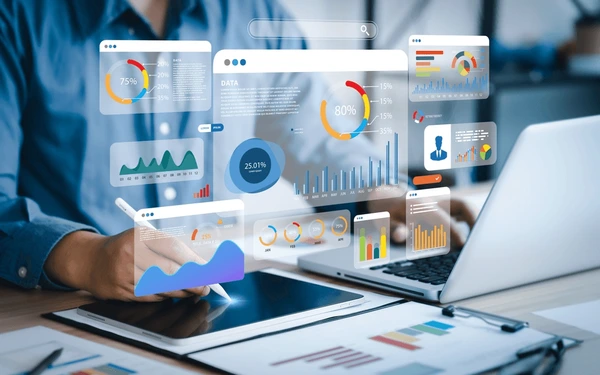
Performance bottlenecks can cripple even the most promising systems, leading to slow response times, crashes, or downtime. The latest technology is designed to optimize performance by leveraging advanced algorithms, faster processors, and more efficient resource management tools.
Improving System Performance and Efficiency
For instance, adopting cloud-native technologies like containerization (e.g., Docker or Kubernetes) allows your system to run more efficiently across multiple environments, reducing costs and improving scalability. In addition, integrating AI-driven analytics can optimize system performance in real time, identifying potential issues before they become major problems.
- Preparing for Future Growth
Building a robust system means planning for the future. Outdated technology may limit your ability to scale, making it harder to accommodate increased demand or new features. Modern tech solutions, on the other hand, are built with scalability in mind, allowing your system to grow alongside your business without sacrificing performance or reliability.
For instance, microservices architecture—a modern approach to system design—enables you to develop, deploy, and scale individual components independently. This flexibility allows your system to evolve seamlessly, handling higher traffic and more complex use cases as your business expands.
Ads
Standard Bills offers a hassle-free and secure way to settle bills online, with a network of about 50 service providers integrated into the platform, you can pay for electricity, online and cable TV subscriptions, airtime and data bundle, betting, and educational services.
- Leveraging Automation for Reliability
Automation has become a critical component of maintaining robust systems. Modern technology enables automated testing, continuous integration, and deployment pipelines, which means fewer manual errors, faster updates, and greater system stability. By automating routine tasks, you free up your development team to focus on more strategic initiatives, ensuring the system remains agile and robust over time.
- Keeping Costs Low with Efficiency
While upgrading to the latest technology may require an initial investment, the long-term cost benefits are undeniable. Modern technology solutions are typically more energy-efficient, resource-efficient, and easy to maintain, leading to reduced operational costs. Additionally, the ability to quickly scale up or down based on demand means you only pay for what you need, avoiding unnecessary expenses.
Join the Conversation!
Question : Have you implemented any new technologies recently that made a big impact on your system’s performance? How did it help?**
Question : What challenges have you faced while trying to modernize your system? Do you think the latest technology could help solve them?**
Question : In your opinion, what’s the most important factor in ensuring a system is robust? Is it the technology, the design, or something else?**
We’d love to hear your thoughts! Share your experiences or questions in the comments below. Let’s discuss how modern technology can take system development to the next level.